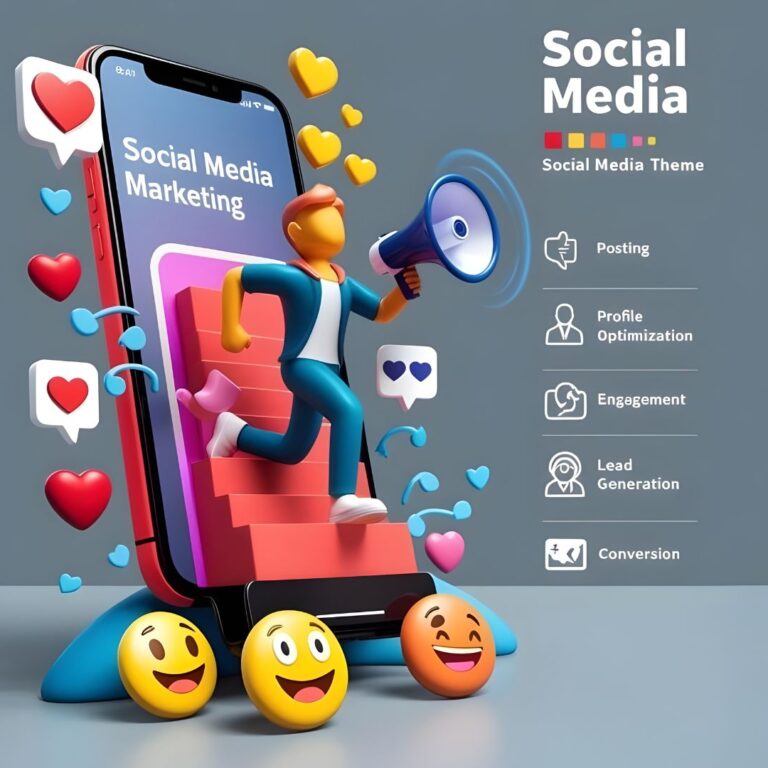
learn photoshop ,graphic designing course in tirur

Top 5 Graphic Design Skills Every Student Should Learn

learn photoshop ,graphic designing course in tirur

Graphic Designing Course in Tirur

In today’s digital world, graphic design is more than just creativity. It’s a communication tool that shapes how brands connect with people. Whether you’re creating a social media post, a logo, or a website banner, design skills can open doors to freelancing, digital marketing, and even entrepreneurship. At Osforh Learning Hub, providing graphic designing course in tirur, we teach students not only how to design but how to think creatively and work professionally. Here are the top 5 graphic design skills every student should master to succeed in 2025 and beyond.

1. Understanding Design Principles

Before learning tools, it’s important to understand how design works.
Design principles like balance, alignment, contrast, hierarchy, and space help make your visuals clear and attractive.
  Tip: Try recreating professional posters to practice how colors and typography are used effectively.

2. Mastering Color Theory and Typography

Colors and fonts speak louder than words. Knowing color psychology helps you evoke the right emotion, like using blue for trust or red for excitement.
Similarly, choosing the right fonts and spacing creates visual harmony.
Tip: Explore tools like Coolors for color palettes and Google Fonts for professional typefaces.

3. Proficiency in Design Software

  • Every professional designer must be comfortable with industry tools.
    Start with:

    • Adobe Photoshop – for image editing and graphics.
    • Adobe Illustrator – for vector designs and logos.
    • Canva or Figma – for beginners and quick social media designs.

    At Osforh Learning Hub, we train students in both Adobe and AI-powered design tools, ensuring you stay industry-ready.

4. Creative Thinking & Problem Solving

Graphic design isn’t just about making things look pretty, it’s about solving problems visually.
For example, how can a poster instantly explain a brand’s purpose?
Good designers use creativity to simplify messages and connect with the audience.
Tip: Observe real ads — notice how color, emotion, and layout tell a story.

5. Adaptability & Continuous Learning

Design trends evolve fast. From flat design to AI-generated art, staying updated is key.
Follow design blogs and experiment with new tools like Adobe Firefly or Canva Magic Studio.
Tip: Keep building your portfolio, every project adds value to your career.

Start Your Design Journey at Osforh Learning Hub

If you’re ready to turn your creativity into a career, Osforh Learning Hub in tirur offers a graphic designing course in tirur that covers everything from fundamentals to real-world projects.
Learn from experienced mentors, work on live assignments, and build a portfolio that gets you noticed.

digital marketing with no experience

How to Build a Career in Digital Marketing with No Experience

digital marketing with no experience

Digital Marketing With No Experience

If you’ve ever scrolled through social media and wondered how brands create such eye-catching content, or how businesses grow online, you’ve already brushed against the world of digital marketing. The good news is you don’t need years of experience to start your career in digital marketing with no experience. What you need is curiosity, consistency, and the right guidance.

Let’s break it down step by step.

1. Understand What Digital Marketing Is All About

Before jumping in, get a clear picture of what digital marketing really means. It’s not just about posting on Instagram or running ads. It’s a mix of strategies that help brands connect with people online through websites, search engines, social media, email, etc.

The major areas include:

  • SEO (Search Engine Optimization) – it  helps websites rank higher on Google.
  • Social Media Marketing – It builds brand presence on platforms like Instagram, Facebook, and LinkedIn.
  • Content Marketing – It creates valuable blogs, videos, and posts.
  • Email Marketing – It communicates directly with customers through emails.
  • Paid Advertising (Google Ads, Meta Ads) – It runs targeted campaigns to drive traffic and sales.

 2. Learn the Basics (Free Resources First!)

You can start small. You don’t have to invest a lot of money right away. There are countless free resources available online  blogs, YouTube tutorials, and certification courses from Google, HubSpot, or Meta Blueprint.

 Dedicate one hour a day to learn one topic at a time. Don’t be in a rush. Understanding the “why” behind every strategy is more important than memorizing tools.

3. Build Practical Skills

Theory alone won’t take you far. Try to apply what you learn.

  • Create a simple Instagram page or blog around a topic you love  food, travel, fashion, or anything else.
  • Use free tools like Canva for design and Google Analytics to track performance.
  • Experiment. Post regularly, track engagement, and see what works best.

    You’ll learn more from real practice than any classroom can teach.

4. Create Your Online Portfolio

As you start building small projects, showcase them! Create a simple portfolio website or LinkedIn profile highlighting:

  • The content or campaigns you’ve created.

  • The results you achieved (like reach, engagement, or clicks).

  • The tools you used.

Even if your projects are personal or academic, they still prove your skills and initiative.

5. Get Internships or Freelance Projects

Once you’ve got some practice, look for internships or small freelance jobs. Many startups are happy to work with beginners who are eager to learn. Websites like LinkedIn, and Upwork are great places to start.

Don’t worry about money at first. Focus on experience  that’s your real investment. Each project will make your resume stronger.

6. Keep Learning and Stay Updated

Digital marketing changes every single day. What works today may not work tomorrow. So make learning a habit:

  • Follow marketing blogs and creators.
  • Join online communities or local workshops.
  • Try new tools and strategies often.

Being curious is your best advantage.

7. Get Certified (Optional but Helpful)

Once you’ve gained some basic experience, consider adding a few certifications. These add credibility to your resume. Courses from Google Digital Garage, HubSpot, or professional institutes like Osforh Learning Hub can give you both structured learning and practical exposure.

8. Apply for Jobs or Start Your Own Brand

After a few months of learning and hands-on practice, you’ll be ready to apply for junior digital marketing roles like Social Media Executive, SEO Assistant, or Content Creator, perfect entry points for anyone starting a career in digital marketing with no experience.

Or, if you’re more entrepreneurial, start offering services to local businesses. Many small brands are looking for affordable digital help, and this is where beginners in digital marketing with no experience truly shine.


Final Thoughts

Building a digital marketing career with no experience isn’t impossible it’s a journey that rewards patience and practice. Start small, keep experimenting, and stay consistent.

Every successful marketer you admire today once started exactly where you are with curiosity, a laptop, and the willingness to learn something new every day.

If you’re ready to begin your journey, check out Osforh Software Solutions  a trusted platform that helps beginners learn digital marketing, web development, and other professional skills to kickstart their careers.

performance based marketing

Performance Marketing: The Future of Measurable Digital Success

performance based marketing

Performance Based Marketing

In today’s fast moving digital world, businesses want one thing above all  results they can measure. Every campaign, ad, or strategy should contribute to real growth, not just online visibility. That’s exactly what performance based marketing delivers. It focuses on measurable outcomes, ensuring every amount you spend brings a clear return to your business.


What is Performance Marketing?

Performance marketing is a results-focused approach to digital advertising where you pay only when a specific action is achieved — such as a sale, lead, or website visit. Unlike traditional marketing, which relies on upfront payments and broad exposure, performance marketing is built on accountability.

Simply put, you invest only when your campaign performs.

How It Works

Performance marketing uses several online platforms and strategies to drive results. Some of the most common include:

  • Search Engine Ads (Google Ads): Paid campaigns that appear when users search for related keywords.

  • Social Media Advertising: Targeted promotions on platforms like Meta, Instagram, or LinkedIn.

  • Affiliate Marketing: Collaborating with partners or influencers who promote your product and earn a commission for each conversion.

  • Display Advertising: Banners and visual ads shown across relevant websites and apps.

  • Native Ads: Sponsored posts that naturally blend with the platform’s regular content.

Each of these methods is designed to generate measurable actions, helping brands track performance in real time.


 Why Businesses Choose Performance Marketing

Clear, Measurable Results
Every click, lead, and sale is tracked, giving complete visibility into what’s working and what isn’t.

Better Return on Investment
Since you only pay for results, your marketing budget goes directly toward achieving real outcomes.

Targeted Reach
Data-driven targeting helps connect your brand with audiences who are genuinely interested in your products or services.

Scalability and Flexibility
You can easily expand high-performing campaigns and pause the ones that aren’t bringing results.

Continuous Optimization
Detailed analytics allow marketers to refine strategies and improve performance over time.

The Rise of Performance Marketing in 2025

In 2025, performance marketing has evolved beyond simple ad campaigns. With the help of smarter tools and real-time insights, brands can now reach the right audience with precision. The focus is on data-backed decision-making, creative storytelling, and customer-first strategies.

Businesses are investing more in platforms like Google Ads, Meta Ads, and influencer collaborations to ensure every marketing effort translates into measurable success.


 Key Metrics That Define Success

Performance marketing revolves around data and measurable impact. Some important metrics include:

  • Cost Per Click (CPC) – How much you pay for each click on your ad.

  • Cost Per Lead (CPL) – The cost of acquiring a potential customer.

  • Cost Per Acquisition (CPA) – The cost of completing a specific goal, like a sale or signup.

  • Click-Through Rate (CTR) – How often people click after seeing your ad.

  • Return on Ad Spend (ROAS) – The revenue generated for every rupee spent on advertising.

Tracking these metrics helps marketers make smarter choices and ensures every campaign delivers tangible value.

Final thoughts

Performance based marketing is more than just a trend — it’s the future of smart, measurable advertising. It gives businesses the power to grow efficiently, connect with the right audience, and achieve real results.

If you want to master performance marketing and understand how to create campaigns that truly deliver, explore the best digital marketing course in Tirur by Osforh Learning Hub. Our practical, hands-on training helps you build the skills to succeed in today’s competitive digital world.

We are also providing performance marketing for your esteemed companies. If you are like to enhance your brand awareness , engagement, reach like any matrixes you can approach osforh software solutions for the services.